

Introduction: Market Overview and Trends
The global sanitary ware market is experiencing robust growth, with market size expected to expand significantly in the coming decade as infrastructure and residential development accelerate worldwide. Urbanization, rising construction activity, and heightened awareness of hygiene are key drivers shaping market demand.
Rapid urban expansion and large-scale building efforts in emerging economies are expanding the need for efficient, durable, and cost-effective sanitary ceramics. At the same time, developed markets are shifting toward smart, high-performance, and environmentally responsible products. The integration of smart technologies, including IoT and sensor-based controls, as well as the emphasis on sustainable design, is creating new opportunities for innovators in the sanitary ware industry.
Innovative Design Imperatives
| Smart Toilets and Intelligent Features | ||
| Smart toilets represent a core area of innovation. Features such as automatic flush, touchless operation, heated seats, bidet functions, air dryers, and self-cleaning systems are gaining traction, especially in technologically advanced markets. Incorporating smart sensors and connectivity enhances hygiene while elevating user comfort and convenience. | 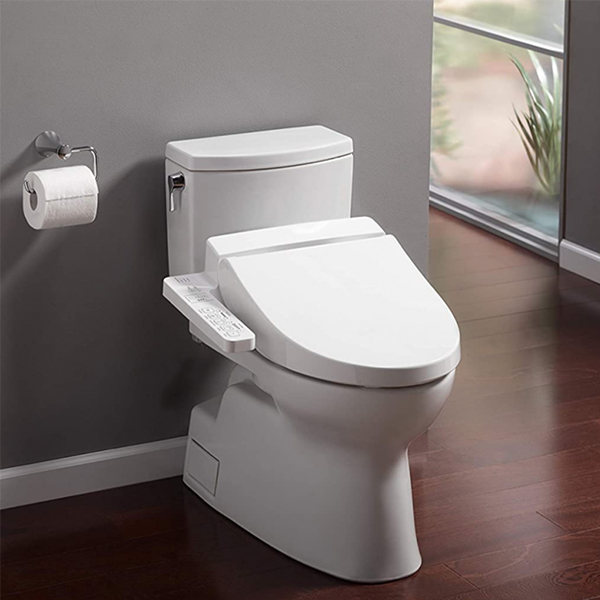 |
| Personalization and Aesthetic Design | ||
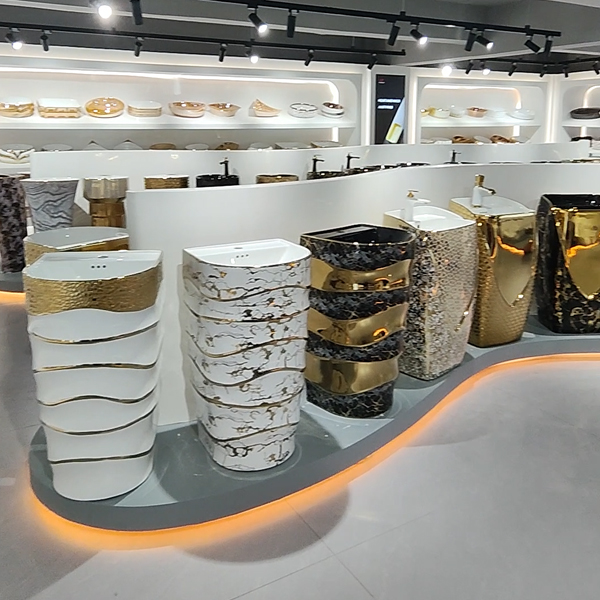
| Designs that reflect regional tastes and cultural aesthetics are becoming more important. Personalized form factors, surface finishes, and color options help products resonate with local preferences. In addition to aesthetics, ergonomic considerations and modularity support diverse usage scenarios. | 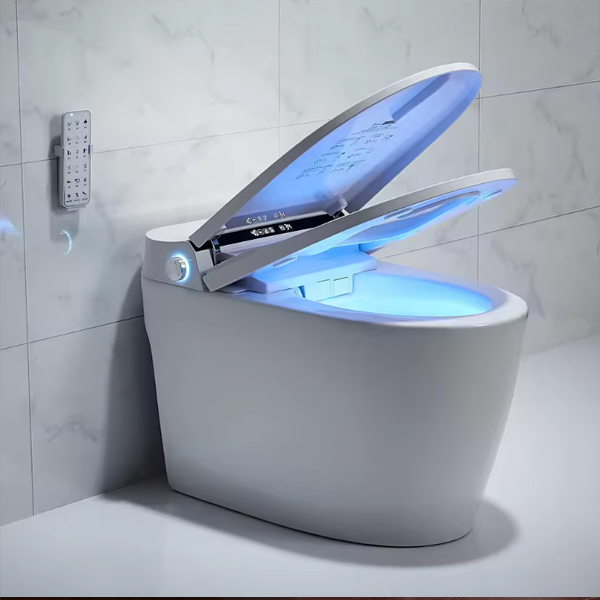 |
| Localized Cultural Adaptation | Sustainability and Environmental Responsibility | |
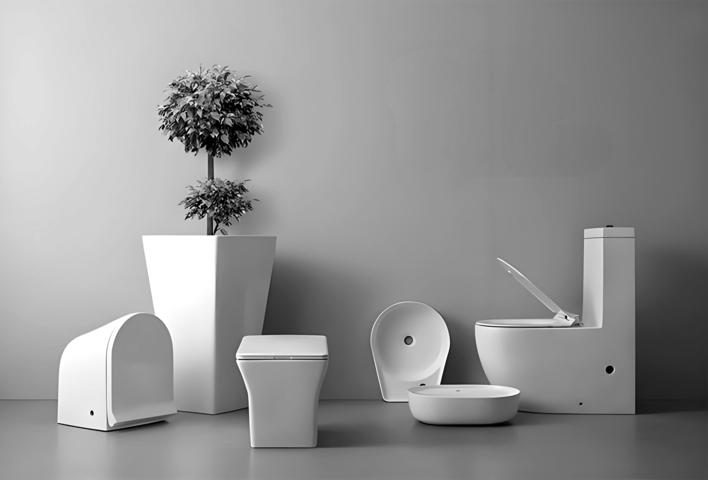
| Designs should be localized according to regional cultures, lifestyles, and architectural styles. In certain areas, incorporating cultural elements reflecting local beliefs into product forms and decorative details can strengthen cultural identity. In countries with limited residential space, compact products with high functional integration offer greater practical value. Respecting local living habits, building dimensions, and usage scenarios is essential for successful design implementation. | Environmental considerations now influence purchasing decisions worldwide. Water-saving technology, such as dual-flush systems and optimized low-flow designs, helps reduce water consumption without compromising performance. Use of recyclable materials and energy-efficient manufacturing processes further supports sustainable development goals. | |
 |  |
Conclusion
Designing innovative sanitary ceramic products for overseas markets requires a balanced approach that integrates smart technology, cultural relevance, sustainable features, and local insights. By aligning product strategies with global trends and regional needs, manufacturers can unlock growth opportunities and deliver solutions that resonate with a diverse set of customers.