

Introduction
Large washbasins are highly prone to deformation because their broad, flat structures lack the structural integrity to withstand the extreme physical and thermal shifts inherent in manufacturing.
This vulnerability is driven by three specific factors:
1. Thin Wall Thickness (Molding) The Issue: Large sinks often feature disproportionately thin walls to manage their overall weight. The Cause: Thin, expansive surfaces lack the rigidity required to support their own weight. During molding (whether casting or pressing), variations in wall thickness cause localized density differences, setting the stage for uneven shrinkage later. 2. Uneven Drying The Issue: Water evaporates at varying speeds across different parts of the basin. | 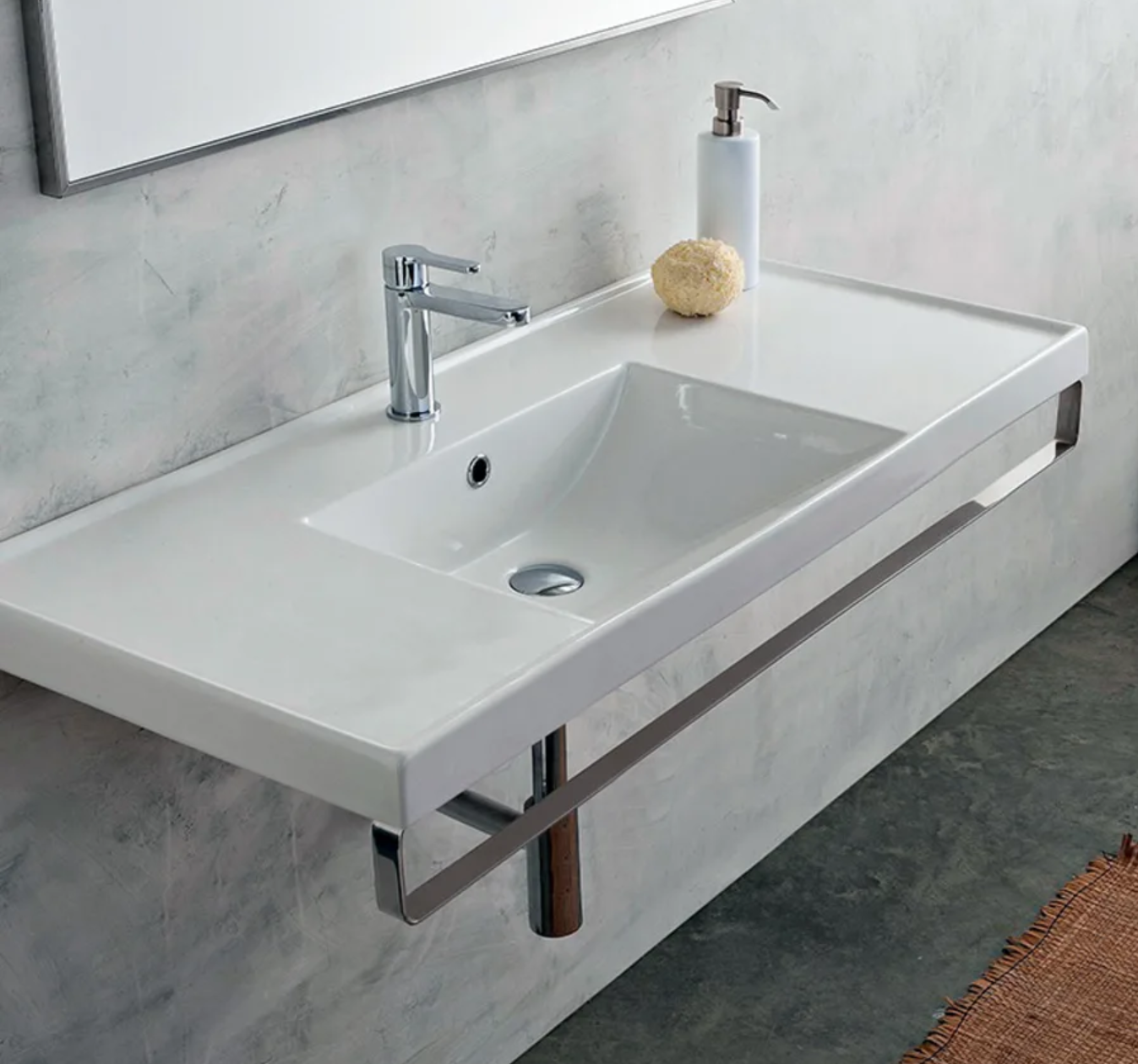 |
3. Firing Stresses
The Issue: At maximum kiln temperatures, the material softens and densifies, pushing it to its plasticity limits.
The Cause: Temperature differences across the length and depth of the kiln result in thermal gradients. Thinner areas heat and cool much faster than the heavier regions. Furthermore, as the piece cools from maximum temperature, the edges and surfaces rigidify while the internal bulk is still yielding. This thermal delay traps significant internal stress, permanently warping or sagging the large piece under its own softened weight