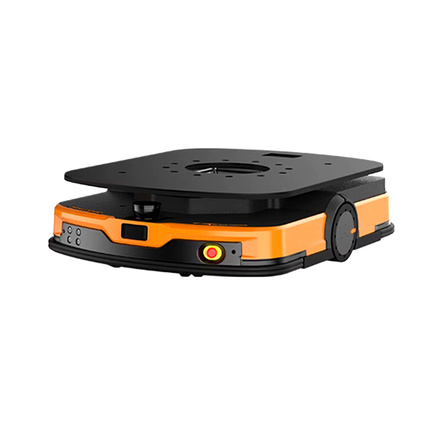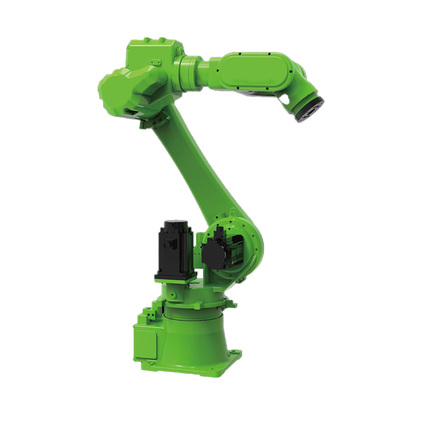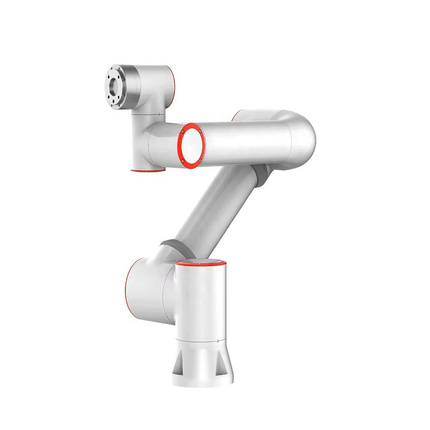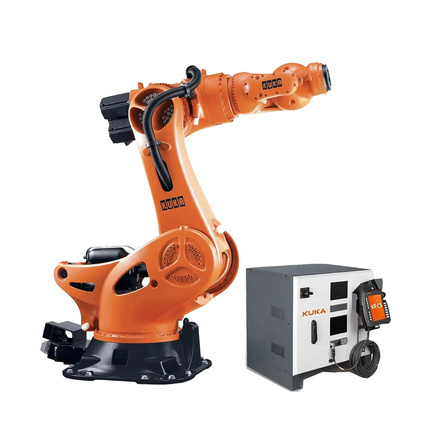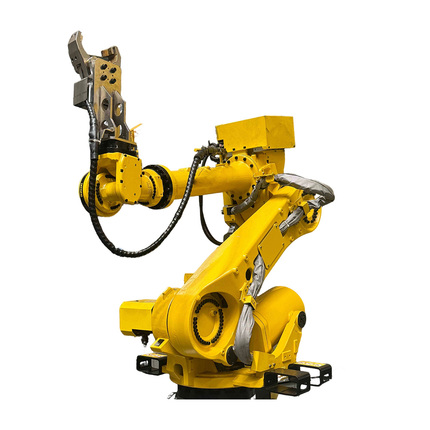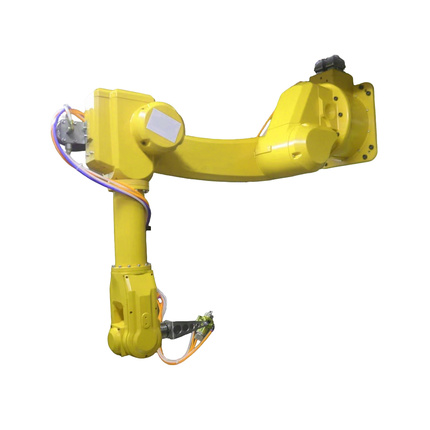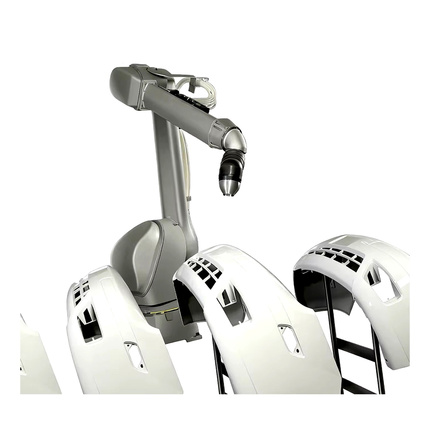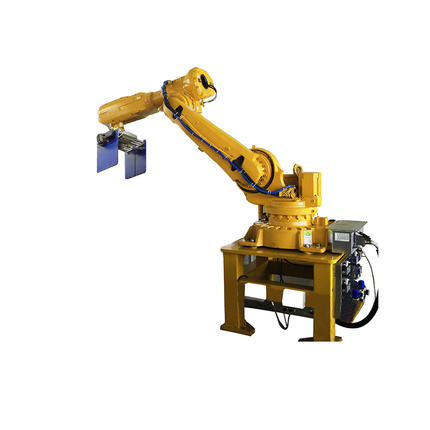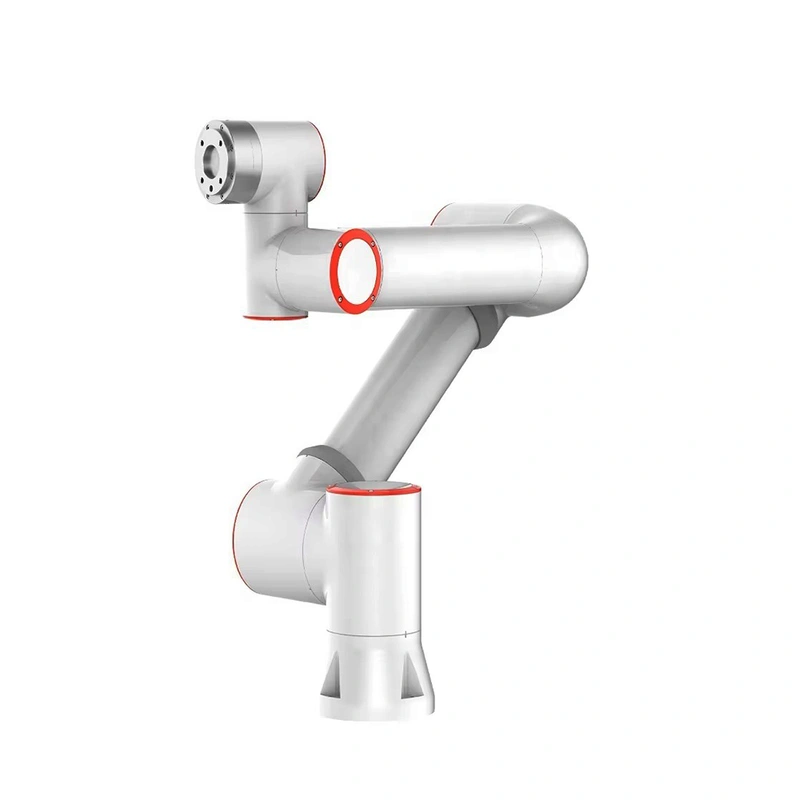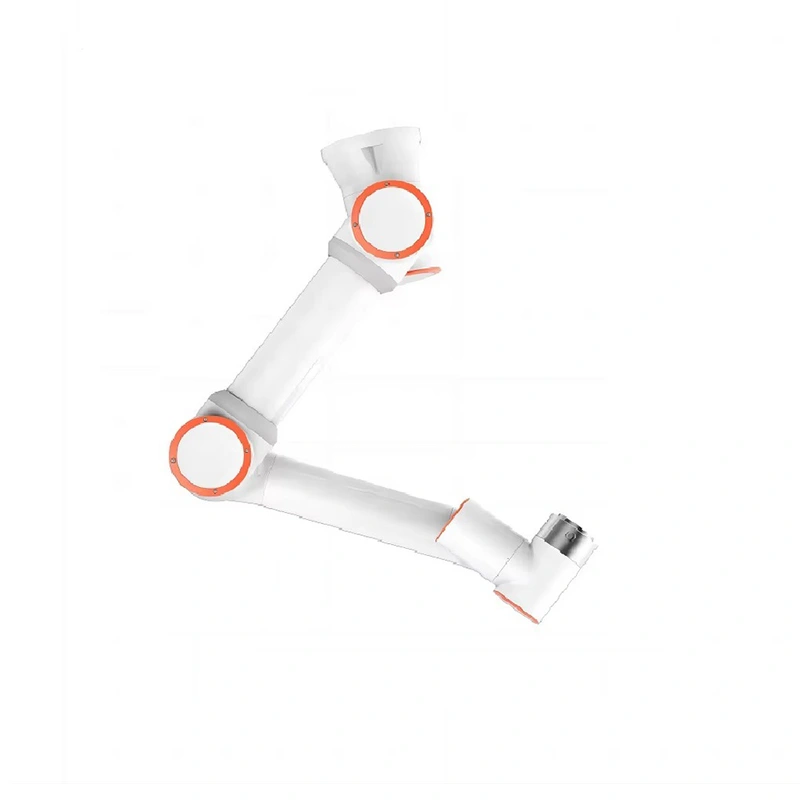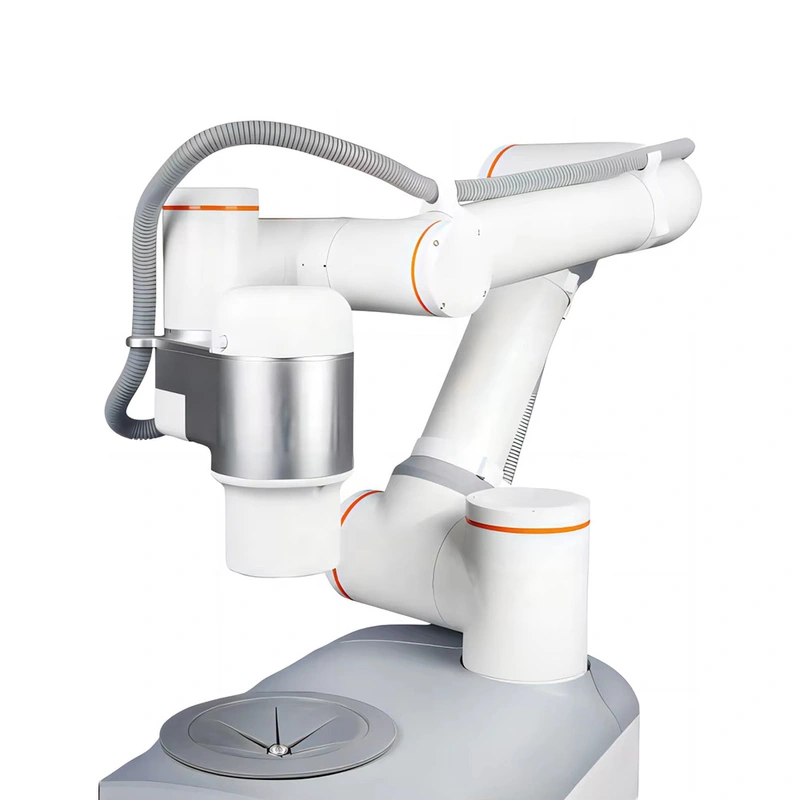
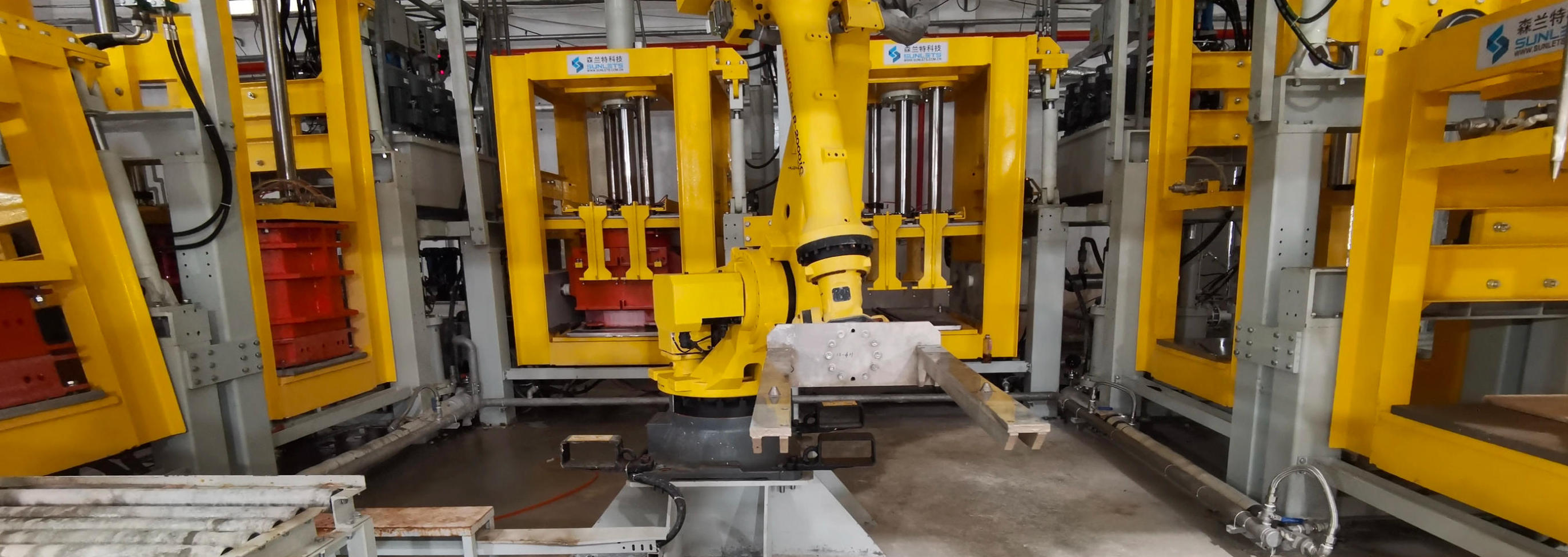
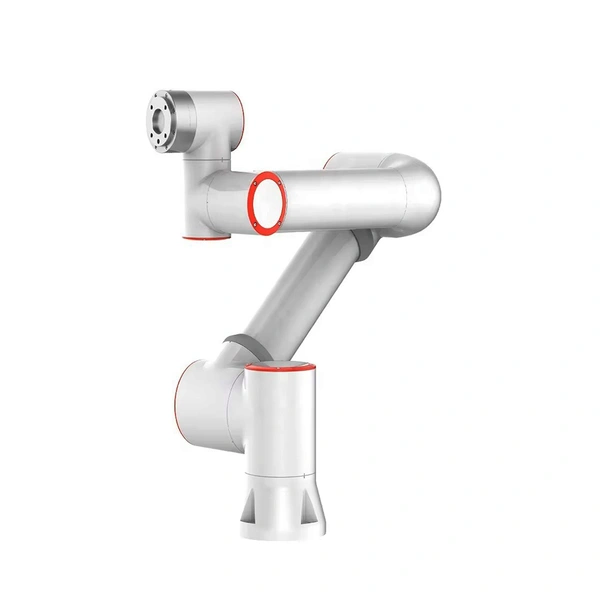
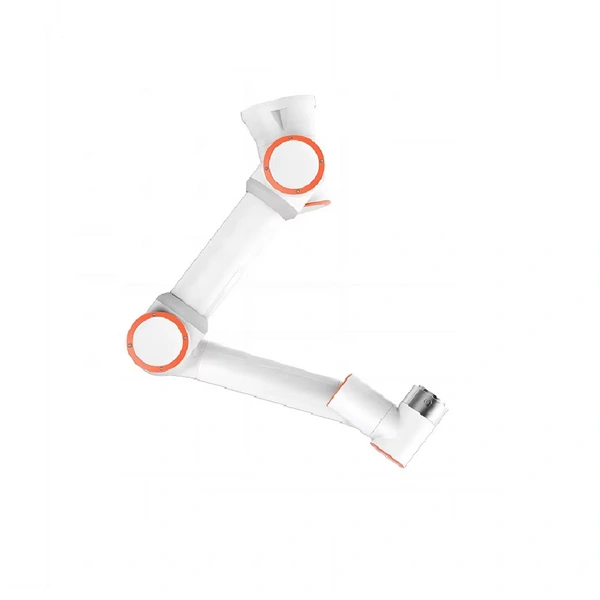
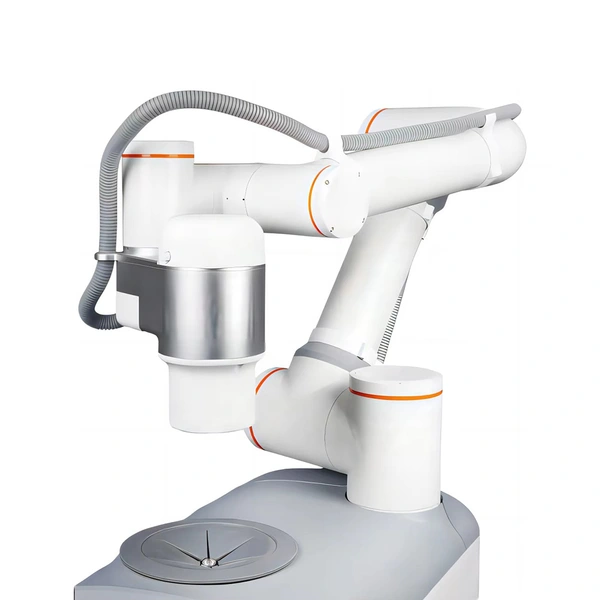


Equipment Parameters
| Parameter Category | Parameter Item | Typical Range | Remarks |
| Mechanical Parameters | Payload Capacity | 10 kg | Customizable gripper and arm length |
| Working Radius | 1500 mm | Optional standard or extended arm length | |
| Repeat Positioning Accuracy | ±0.05-0.15 mm | Accuracy grade options available | |
| Electrical Parameters | Core Components | PLC, Motor, Gearbox | |
| Rated Power | Customer Customized | Configured based on speed and load | |
| Number of Axes | 6 axes | ||
| Structure | Articulated | ||
| Power Supply Method | 3-phase 380V / Single-phase 220V | Optional | |
| Programmable Logic Controller (PLC) | Siemens | ||
| Electrical Components | Schneider or Omron | To be selected based on actual requirements | |
| Physical Dimensions | Weight | 140-200Kg (range) | Customized plans according to specific requirements |
| Robot Base Dimensions | Customer Customized | Adapts to production line layout | |
| Installation Space Requirements | Based on solution design | Layout guidance provided | |
| Installation & Service | Installation Type | Floor, Bracket, Ceiling | |
| Operating Temperature | 5°C~45°C | ||
| After-sales Service | Installation videos and technical services available | Please specify in advance if special requirements exist |
Core Technologies and Features
Adaptive Force Control & Path Planning
Equipped with real-time force feedback and pressure-sensing technology to maintain consistent contact force during operation, ensuring uniform material removal and surface quality across complex geometries.
Multi-Axis Robotic Flexibility
Utilizes 6-axis or higher industrial robots capable of reaching intricate contours, edges, and internal surfaces, enabling complete coverage and consistent finishing on components of varying shapes and sizes.
Intelligent Vision & Toolpath Optimization
Integrated 2D/3D vision systems detect part orientation, surface defects, and dimensional variations, dynamically adjusting polishing paths and parameters for optimal finishing results.
Modular Tooling & Quick-Change Systems
Supports a range of end-effectors including abrasive wheels, brushes, buffing pads, and spindle-mounted tools, with automatic tool changers for seamless transition between rough and fine finishing stages.
Dust & Debris Management
Built-in extraction systems and enclosed workstations capture particulates and abrasive residues, maintaining a clean and safe working environment while extending tool life.
Product Usage Scenarios
Metal Component Finishing – Polishing of automotive parts, aerospace components, and consumer hardware.
Ceramic & Composite Processing – Surface smoothing and edge finishing of sanitaryware, tiles, and technical ceramics.
Mold & Die Polishing – Automated polishing of injection molds, forging dies, and press tools to achieve high-gloss or textured surfaces.
Medical & Precision Parts – Deburring and fine-finishing of surgical instruments, implants, and optical components.

Core Value Created for Customers
Enhanced Surface Consistency – Eliminates human variability, achieving repeatable surface finishes, textures, and tolerances.
Increased Productivity – Operates continuously with high cycle-time efficiency, significantly reducing processing time compared to manual methods.
Labor & Cost Savings – Reduces dependency on skilled operators, lowers rework rates, and decreases consumable waste through controlled material usage.
Improved Workplace Safety – Removes operators from hazardous environments involving dust, noise, and repetitive motion risks.
Scalable & Flexible Integration – Easily integrated into existing production lines and adaptable to new parts through programmable recipes.
For free sanitry ceramics project consultation and equipment solution evaluation, please contact
Mr. James Yang
sales01@sunletsgroup.com
M/WeChat: +8613501122904
WhatsApp: +639063457305